SCD 2026 Afternoon Recap: Why Integrations Are Becoming a Decisive Competitive Factor

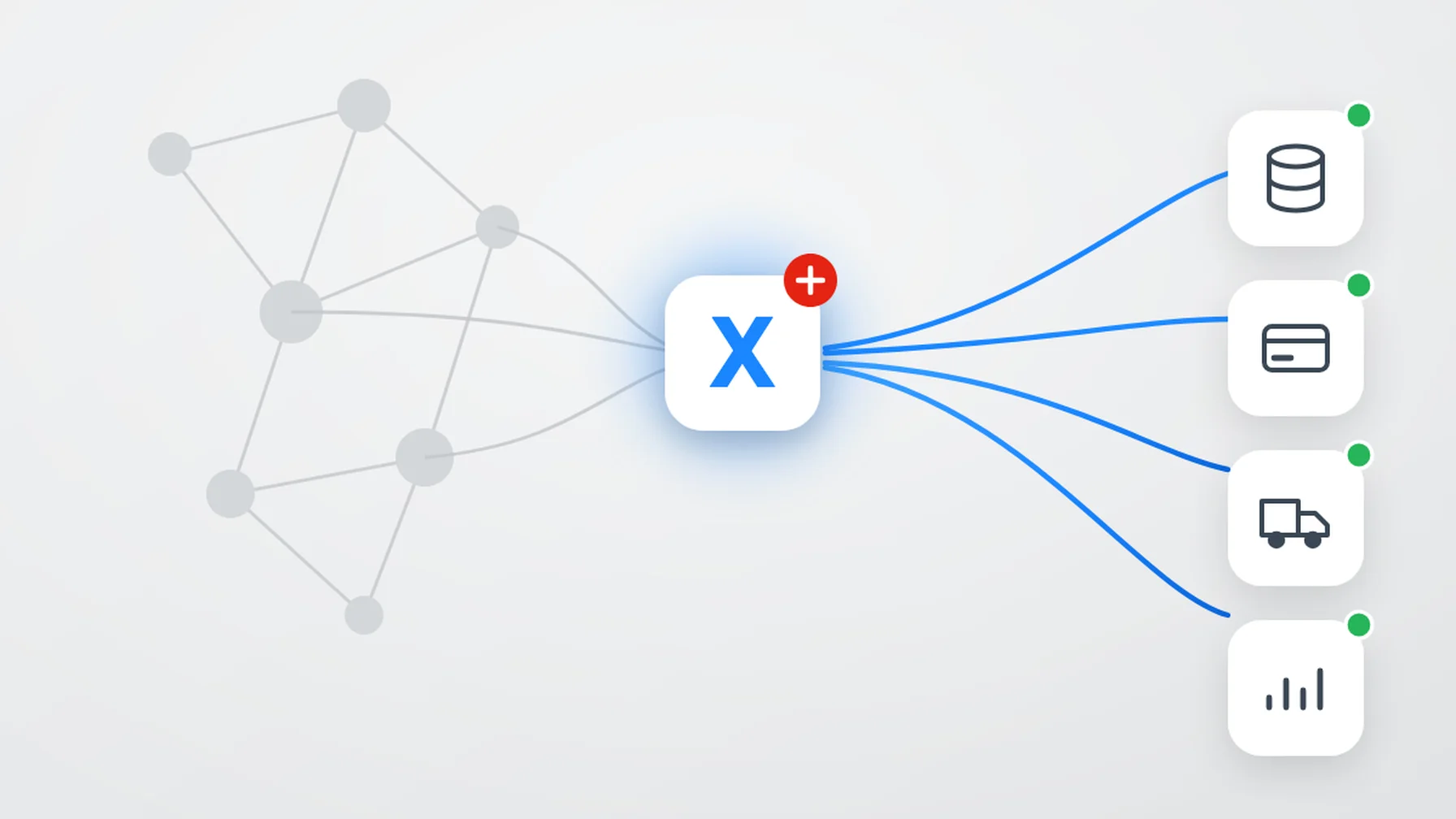
The afternoon of the Shopware Community Day 2026 was entirely dedicated to a topic that has significantly more influence on success in many commerce projects than the actual shop system itself: Integrations. While public discussion frequently revolves around frontends, customer experience, or AI, many companies struggle with a completely different challenge in their daily operations. ERP systems, CRM solutions, PIM platforms, marketing tools, logistics systems, and customer portals must interact reliably. The more complex the company, the greater this challenge becomes. This is exactly where Shopware focused with its sessions on AI Engineering and Shopware Nexus. The central message of the afternoon was: The future of commerce is not decided solely within the shop – but between the systems.
AI Needs More Than Good Prompts
The first part of the afternoon was dedicated to the technical foundations of modern AI applications. This was a conscious deep dive into the architecture, because AI only unfolds its true value when it has access to the right data.
For companies, this means that those who want to use AI efficiently must first solve their data and integration problems. Isolated solutions where data has to be manually shifted back and forth are not sustainable. AI requires a clean, scalable, and connected data base to function as an "operator" in daily business.
Shopware Nexus: The Architecture for Connected Processes
With the presentation of Shopware Nexus, the company introduced a solution designed specifically to address this challenge. Nexus is not just a new interface; it is an architectural approach for the native orchestration of systems and data streams.
The core principle behind it is to significantly reduce the effort required for integrations. Instead of programming costly custom middleware or maintaining complex individual connections for every single system, Nexus provides a standardized framework.
For merchants and development partners, this means:
Faster time-to-market for new integrations
Lower maintenance effort for existing interfaces
Higher stability and scalability of the entire system landscape
Easier adaptation to changing business requirements
Orchestration Instead of Mere Connection
The decisive step that Shopware is taking with Nexus is the shift from pure connection to intelligent orchestration. It is no longer just about pushing data from point A to point B. It is about steering entire workflows across different systems.
Examples of this include:
Automated synchronized stock updates between ERP, warehouse, and multiple sales channels
Seamless data flows from CRM to the shop backend for personalized B2B customer portals
Automated processing of complex ordering processes that involve multiple logistics partners
The stronger these processes can be automated and orchestrated across systems, the greater the benefit.
The Bigger Development Behind It
Nexus represents a development that is currently shaping the entire commerce industry. Competition is shifting. In the past, individual features were the center of attention. Today, it is increasingly about process quality.
Who can utilize data faster?
Who can automate processes better?
Who can implement new business requirements more quickly?
These are precisely the questions that increasingly determine the success of digital business models.
Our Assessment
Should Shopware Nexus deliver the announced capabilities in practice, this could become one of the most important platform innovations of recent years. Not because customers see it directly, but because it enables companies to work faster and more efficiently. Today, the greatest innovation often does not happen in the frontend. It happens between the systems.
Conclusion
The afternoon of the Shopware Community Day impressively demonstrated how commerce platforms are evolving. AI requires a solid technical foundation. Integrations are becoming a strategic success factor. And orchestration is increasingly developing into the central discipline of modern commerce architectures.
With Shopware Nexus, Shopware addresses precisely this challenge. For many companies, this could become significantly more relevant in the long run than individual new features within the shop itself.