The Store in Your Pocket: Why a Mobile-First Omnichannel Strategy is Non-Negotiable

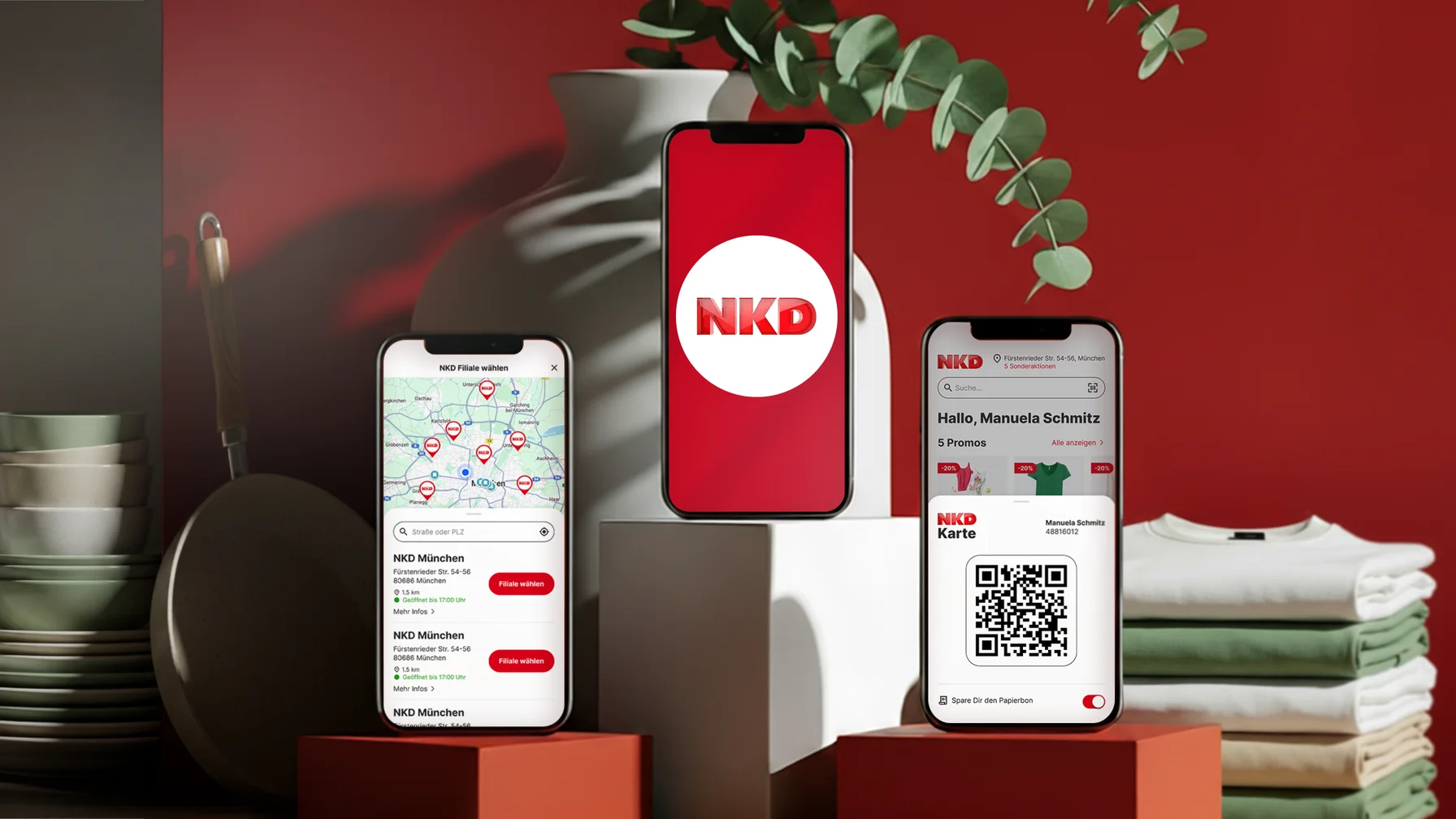
The most important branch in retail today? It’s sitting right in your customer’s pocket. What sounds like a catchy headline is actually a fundamental shift in the industry: the role of retail apps has evolved. Once viewed as an "optional extra" or a secondary touchpoint, the app has become the heartbeat of a modern digital retail strategy. For brick-and-mortar retailers, the ultimate challenge is no longer just "being online," but successfully merging the physical store, the webshop, and the mobile experience into one fluid ecosystem. This is the core of a sophisticated Omnichannel Retail Strategy. Customers no longer distinguish between channels; they expect a consistent, personalized, and seamless experience that is available 24/7. Mobile has become the connective tissue along the entire customer journey.
Retail in Flux: Why Mobile is the Central Touchpoint
The retail sector has been under immense pressure for years, caught between rising customer expectations, fragmented legacy systems, and fierce digital competition. Simultaneously, consumer behavior has shifted: mobile devices are now the primary gateway to the digital world—and commerce is no exception.
The Reality: The customer journey is moving to the smartphone - to the mobile app. For retailers, this means:
Information Hub: Customers use mobile devices to research products and compare offers in real-time.
Cross-Channel Decisions: Purchasing decisions are rarely linear; they happen across multiple platforms.
Hyper-Personalization: The demand for tailored content and individual recognition is skyrocketing.
Blurred Boundaries: Offline and online experiences must merge into a single brand perception.
An integrated app strategy doesn't just meet these technical requirements; it leverages them as a strategic advantage.
The Use Case: What Modern Retail Apps Deliver
Success in the app space isn't driven by a single "killer feature," but by the synergy of various functions that add value at every step of the journey.
Key Features and Value Drivers Include:
Digital Loyalty Cards: Replacing plastic with a mobile-first approach—always available and directly linked to the customer profile.
Digital Receipts: Eliminating paper waste and "media breaks" by storing all transactions digitally for easy access.
App-Based Personalization: Delivering bespoke offers and content based on behavior, location, and purchase history.
Smart Push Marketing: Reaching customers with relevant, real-time information exactly when it matters.
Mobile Commerce: Making the entire product range shoppable directly within the app.
Gamification: Using competitions and interactive promotions to drive daily engagement.
The Crucial Insight: These features don't work in a vacuum; they thrive as part of an integrated system.
Strategic Positioning: The App as an Omnichannel Layer
A common misconception is treating an app as "just another sales channel." In reality, it is the connective layer that sits between:
Physical Stores
The Online Shop
Customer Data (CDP/CRM)
Marketing Ecosystems
By acting as this central interface, the app enables a true Unified Commerce experience. It aggregates data from various sources, makes cross-channel interactions visible, and powers real-time personalization. It is, quite literally, the "branch in your pocket."
Why Value Retail Benefits Most
In the value retail segment, the stakes are unique: high frequency, high price sensitivity, and often lower brand loyalty. Here, customer retention is won in the details.
A mobile-first strategy addresses this by:
Driving Frequency: Creating reasons for regular interaction beyond the transaction.
Embedding Loyalty: Mobile loyalty programs ensure the brand stays top-of-mind.
Increasing Relevance: Personalized discounts make the app an essential tool for everyday life.
The Tech Stack: What Powers the Experience?
The true complexity isn't the UI—it’s the integration. A seamless digital transformation requires a robust backbone:
A stable Digital Commerce Platform.
Clean API-first architecture for system communication.
Centralized, accessible customer data.
Real-time processing capabilities.
The app is essentially the high-performance frontend for a complex backend involving ERP/Inventory Management, CRM, and Marketing Automation. Without a solid architectural foundation, an app remains a siloed tool that will never reach its full potential.
Practical Implications & Organizational Shift
Launching a retail app isn't just a technical project; it’s an organizational one. The Challenges:
Breaking down silos between Marketing, IT, and Store Operations.
Defining clear "ownership" of the mobile customer experience.
Shifting from a "one-off launch" mindset to continuous, agile development.
The Opportunities:
Direct customer access without depending on third-party platforms.
Faster time-to-market for new features.
Granular measurability of every customer interaction.
Visibility is Victory: Activation Matters
Technology is only half the battle. Even the best app is useless if it stays unopened. A strong strategy requires Visibility and Reach.
Modern launches must be staged across high-reach media environments—from digital campaigns in major outlets to high-impact "Out of Home" measures like branded public transport. Omnichannel doesn't just mean technical integration; it means marketing activation. You need reach and recognition to turn a download into a daily habit.
Key Takeaways from the Field
Integration is Everything: An isolated app solves nothing. It must talk to your existing systems.
Utility over Fluff: Relevance beats "cool" features. Solve a real problem for the user.
Personalization is the Lever: One-size-fits-all offers are increasingly ignored.
Engagement Requires Effort: Content and push strategies need active, data-driven management.
Architecture Scales: If the foundation is weak, future growth becomes prohibitively expensive.
Recommendations for Action
Strategic Integration: View the app as a core pillar of your business, not a side project.
API-First: Build for flexibility to ensure your tech stack can evolve.
Value-Centric Design: Ask: "What problem does this solve for my customer today?"
Data First: Clean data integration is the only way to achieve meaningful personalization.
Cross-Functional Teams: Build teams that bridge the gap between tech and retail.
Conclusion
A mobile-first omnichannel strategy is no longer a "trend" — it is a necessity. The physical store isn't disappearing; it is being digitally extended into the lives of your customers via a mobile app.
The innovation isn't the app itself; it’s how you use it to create a consistent, relevant, and frictionless brand experience.